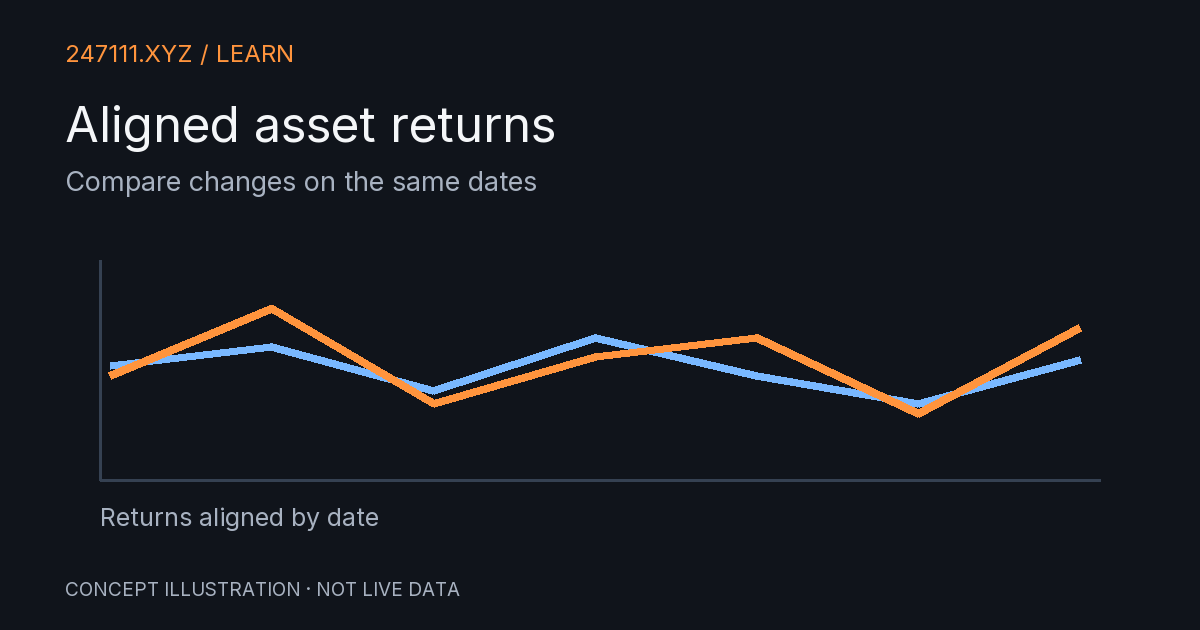
Portfolio calculations
Align price observations before comparing diversification
Prepare local price CSVs, calculate shared return intervals and read correlations and portfolio volatility with their sample limits.
UpdatedWorked examples, calculation assumptions and the limits of the numbers shown by the tools.
20 published guides: 1 featured and 19 more in the directory.
Prepare local price CSVs, calculate shared return intervals and read correlations and portfolio volatility with their sample limits.
Updated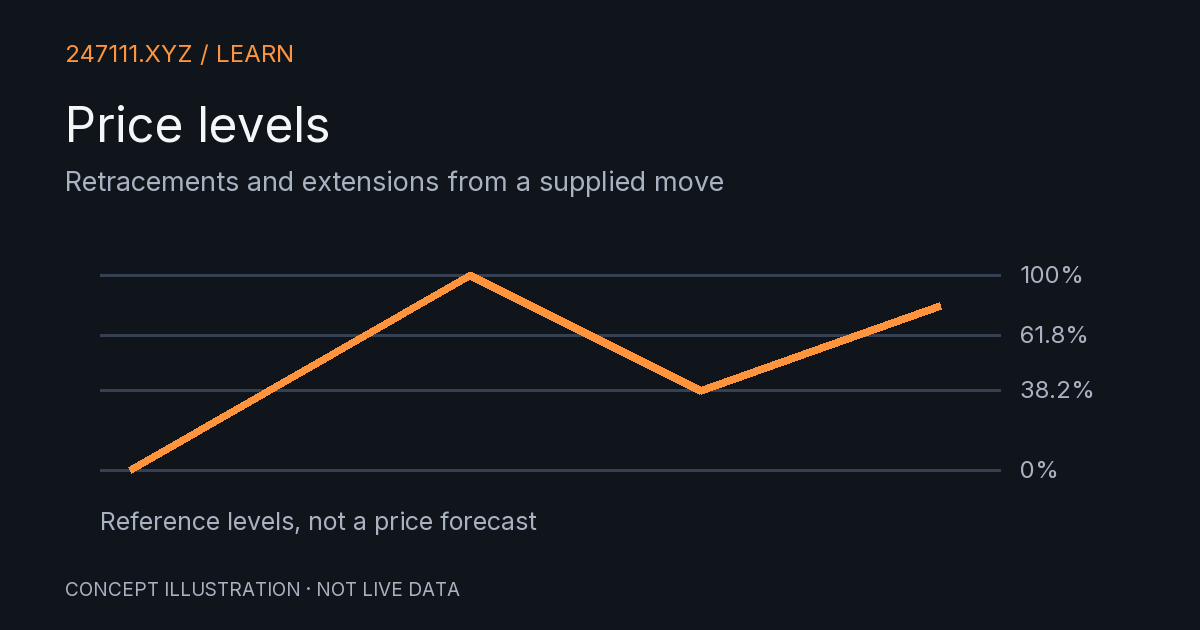
Calculate supplied Fibonacci and pivot levels while keeping swing order, period boundaries and named formula differences clear.
Updated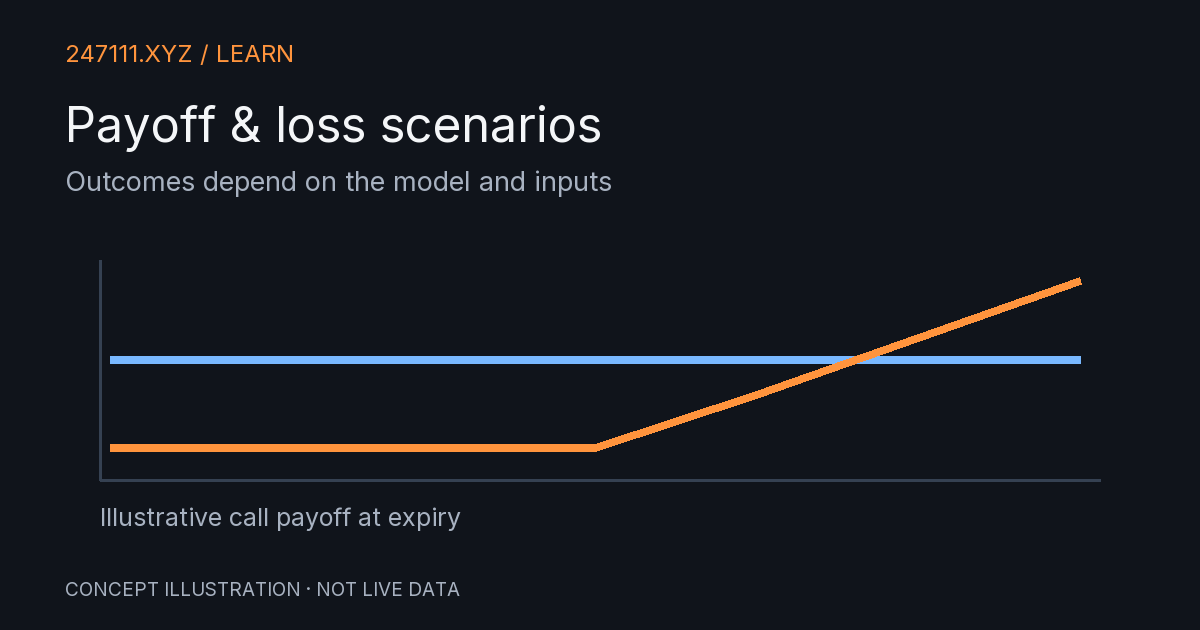
Keep contract payoff, isolated maintenance arithmetic and seeded binary-trade simulations tied to their stated assumptions.
Updated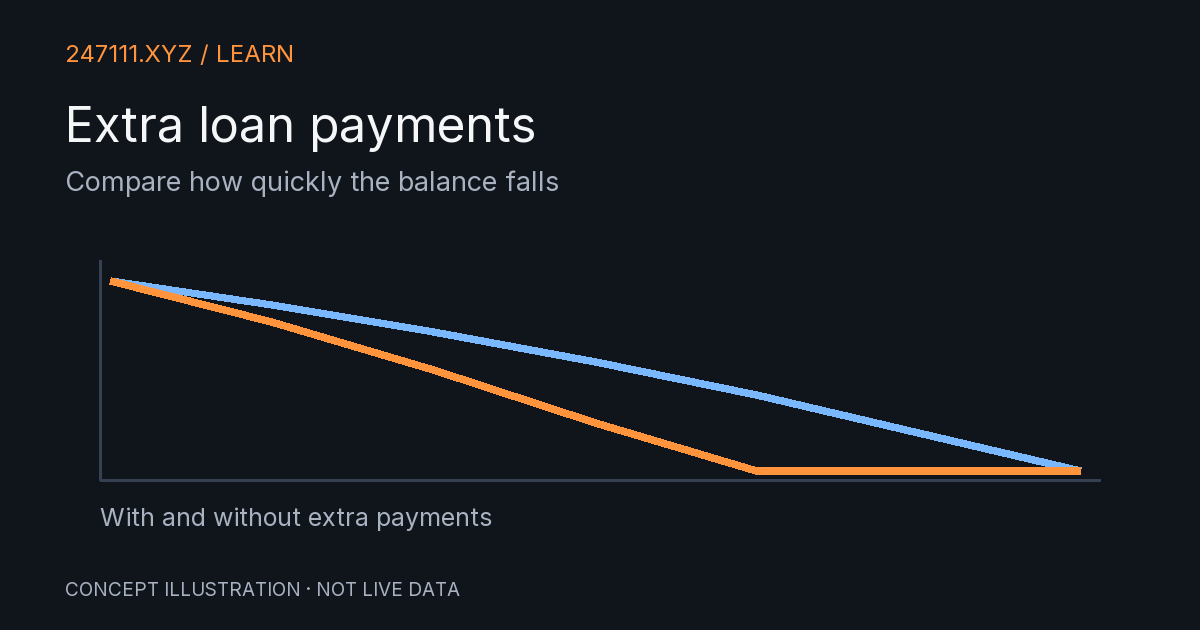
Follow monthly principal, rounded interest and extra payments, and understand what a shorter payoff comparison includes.
Updated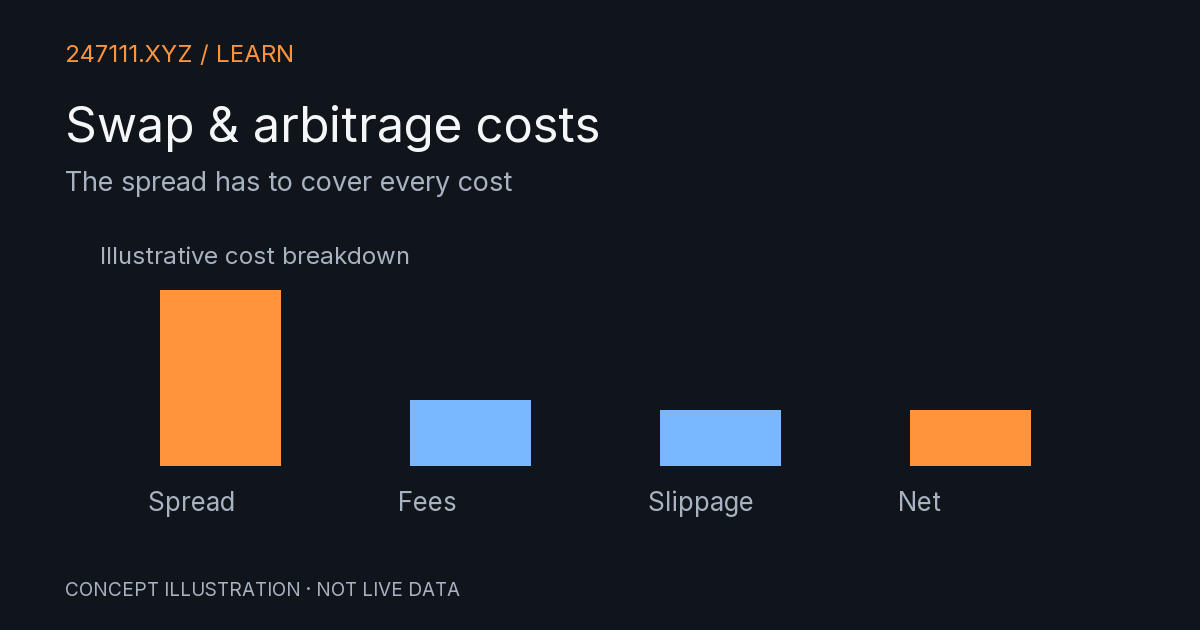
Separate pool curvature, fees, slippage tolerance, transfer losses and capital when examining a supplied swap or arbitrage scenario.
Updated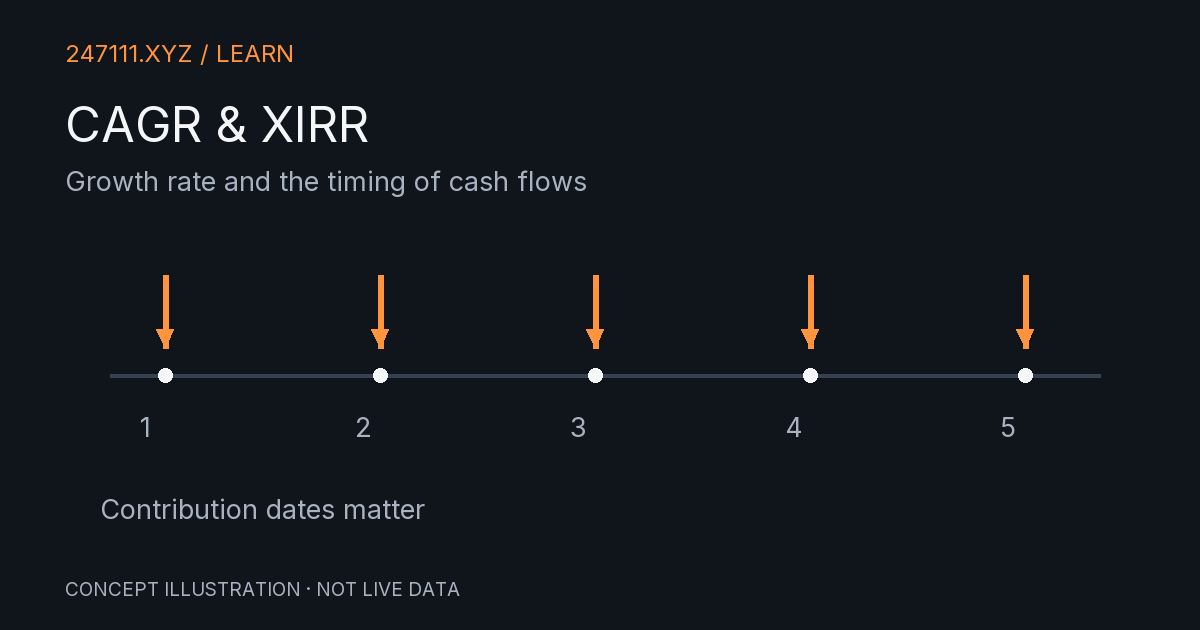
Choose a return calculation that matches your cash flows, and understand how dates, contributions and a final valuation affect the result.
Updated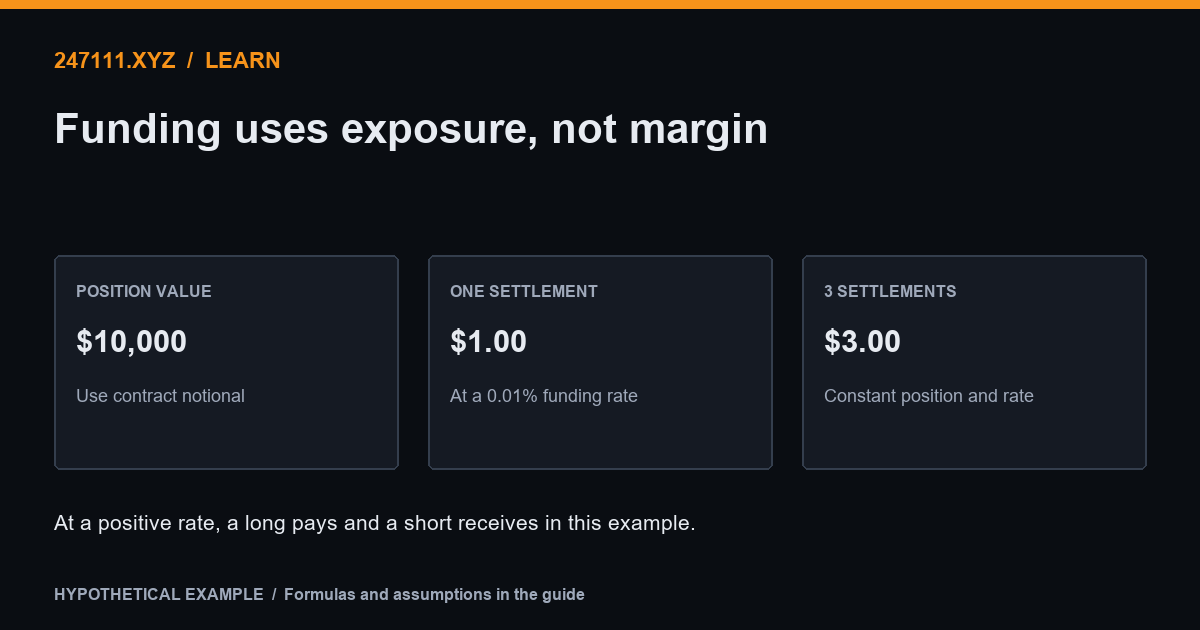
Estimate funding for a linear perpetual position using the rate per interval and the number of eligible settlements.
Updated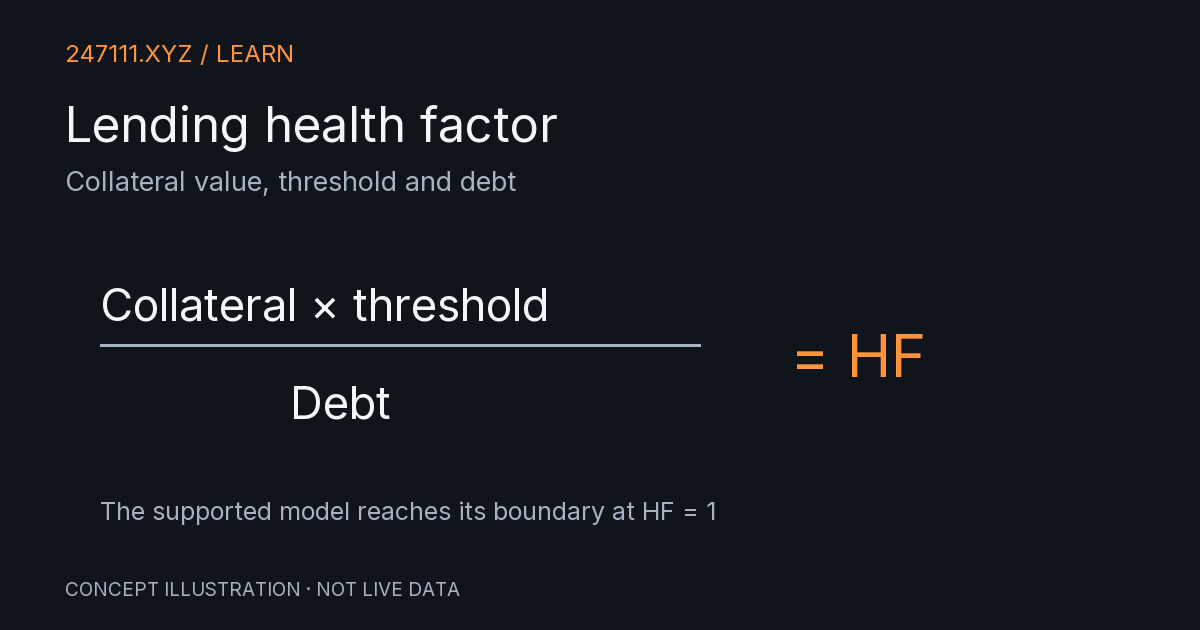
Understand threshold-weighted collateral, debt prices and repayment targets in a static Aave-style model without treating it as live account health.
Updated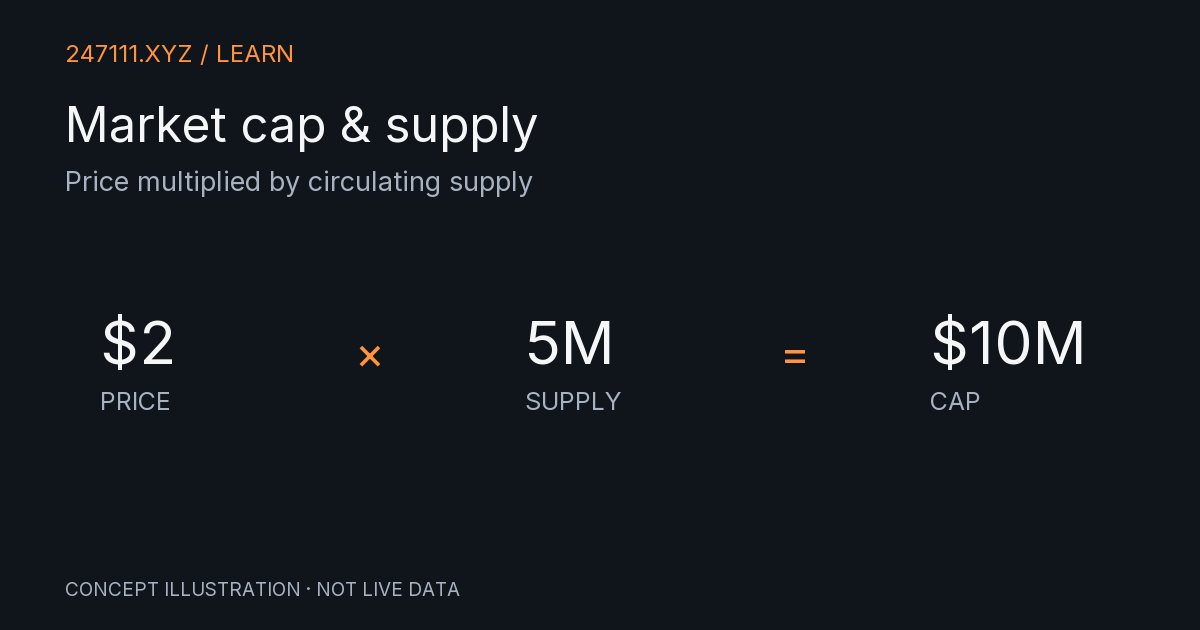
Understand how circulating and maximum supply affect valuation scenarios, and why a market-cap change is not a measure of cash invested.
Updated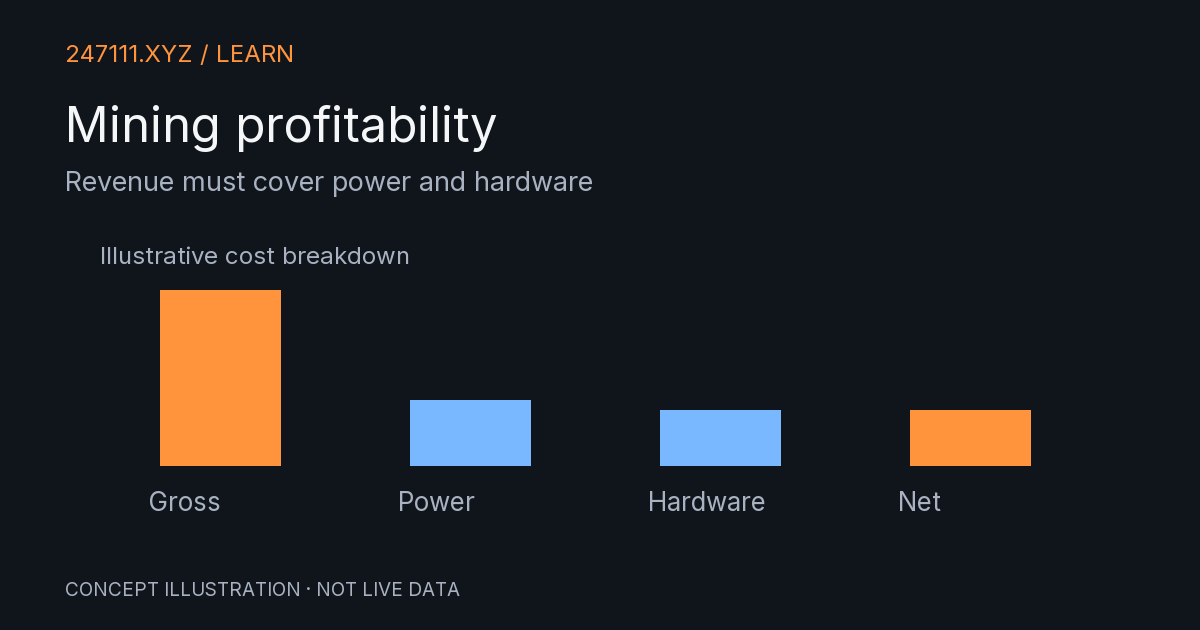
Separate coin output, active electricity costs, calendar operating costs and upfront hardware before interpreting a mining payback estimate.
Updated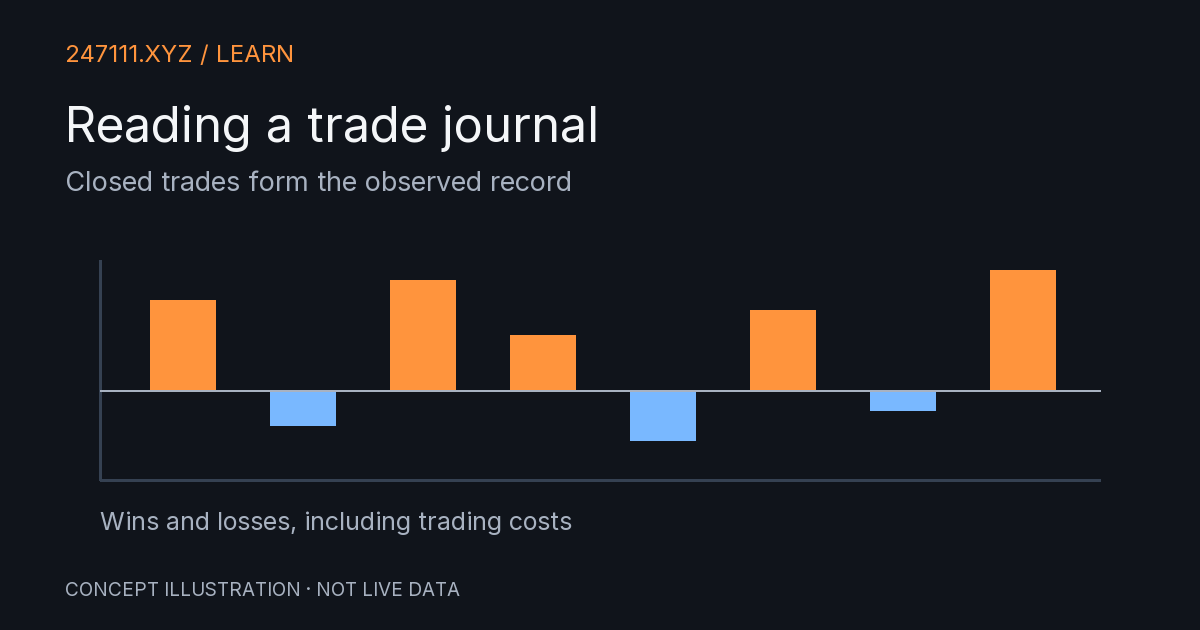
Read net trade results, win rate, profit factor and closed-equity drawdown while keeping file format, cash flows and risk coverage explicit.
Updated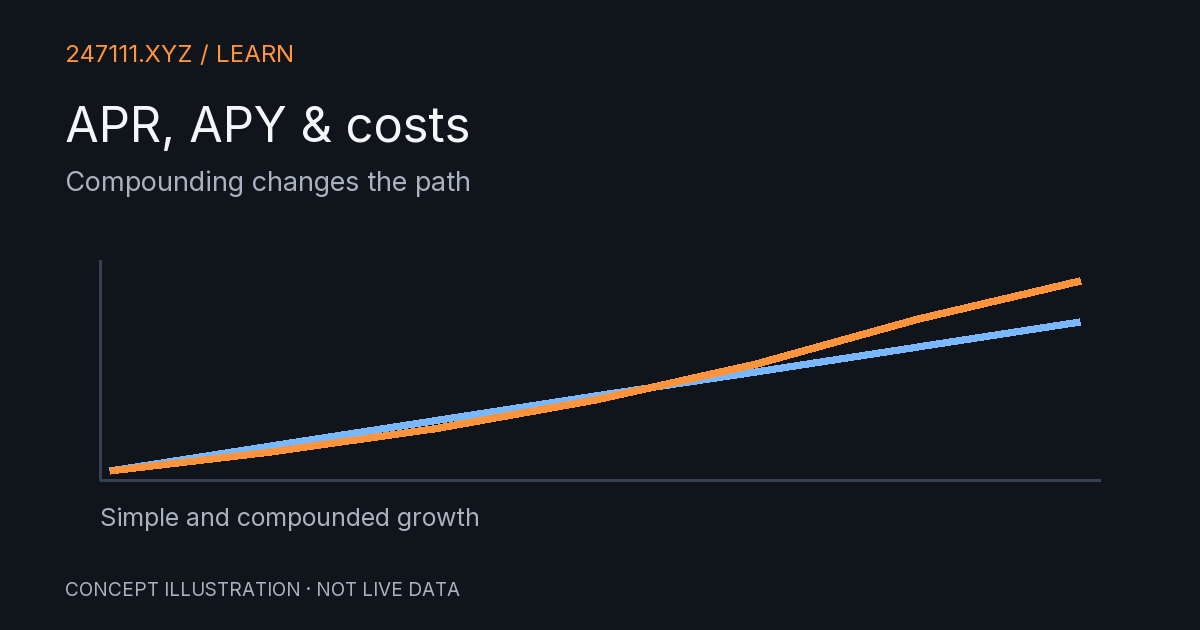
See how compounding, reward commissions, token prices and fixed costs change the difference between quoted yield and a staking scenario.
Updated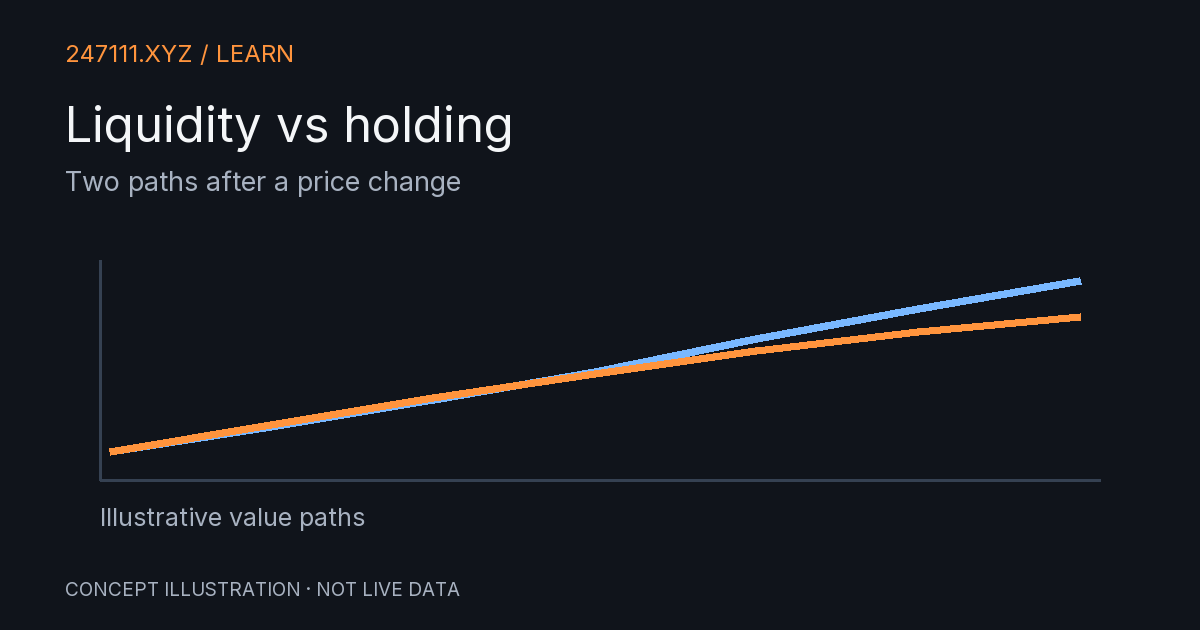
Compare a full-range 50/50 constant-product pool with holding its two tokens, and understand the limits of a fee break-even estimate.
Updated